Anime Squadron on Roblox
The live game page has the real play link, creator, server size, genre, and latest update tag.
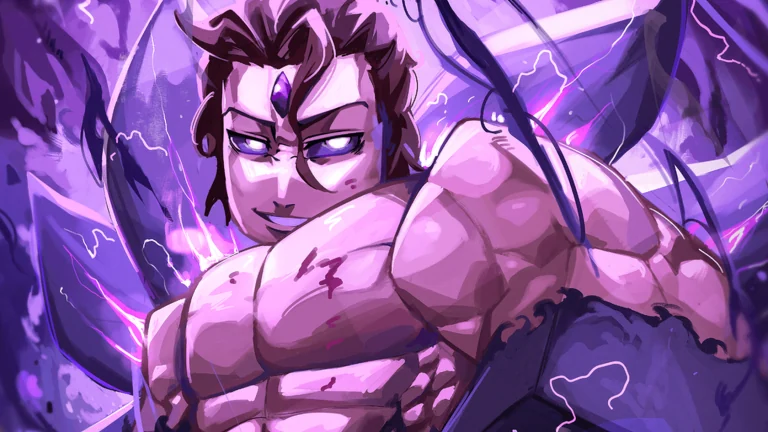
Anime Squadron is a Roblox lane battler where your squad grows through summons, lane placement, upgrades, evolution, and boss waves. The safest first pass is current unit, reward, trait, mode, and lineup info before old codes, rankings, or screenshots shape your next run.
The live game page has the real play link, creator, server size, genre, and latest update tag.
Fresh announcements, event chatter, and reward news usually hit Discord before old screenshots get corrected.
Rewards can change after a patch, so old code posts and gift screenshots are a weak plan by themselves.
Summons, traits, upgrades, and evolutions decide where your gems and materials go after a patch.
Anime Squadron traits are unit modifiers that change how a character performs after placement. Damage, HP, range, cooldown, placement cost, spawn behavior, and role fit tell you when to keep one.
Anime Squadron banners are summon pools for unit pulls and pity progress. A banner is worth Gems when its target unit, rarity, pity type, and summon cost solve the mode wall in front of the squad.
Anime Squadron awakening items are rare items or gear pieces for evolved and awakened unit routes. Check the target unit, material cost, NPC step, and unlocked form before farming one.
Anime Squadron stats are the numbers and grades behind unit performance after traits, gear, rerolls, and upgrades. A stat deserves resources when it fixes the run problem in front of the squad.
Anime Squadron secret units are hidden, banner-secret, or evolved high-rarity characters for accounts past the first roster. Route, pity cost, evolution item, mode requirement, trait fit, and gear fit decide the chase.
Anime Squadron unit roles explain what each character is doing after placement. A role answers the run problem in front of the squad: wave clear, boss damage, control, support, economy, tanking, or early Story coverage.
Anime Squadron materials are item drops and crafting ingredients used to build or upgrade gear. A material belongs in the farm plan when its recipe, drop world or act, and target unit all line up.
Anime Squadron reward sources are the activities and systems that give Trait Shards, Gold, Gems, EXP, materials, cubes, or progression items. The best source is the one paying the item that clears the current upgrade wall.
Anime Squadron bosses are high-pressure enemies or encounter targets that test damage, uptime, wave control, and squad investment. Boss pressure changes which units, traits, gear, and mode targets deserve resources.
Anime Squadron units are the characters players summon, deploy, upgrade, level, and evolve during lane battles. A unit earns resources through battlefield role, summon value, upgrade path, trait fit, gear fit, and mode use.
Anime Squadron gear covers craftable equipment and gear sets that change how a unit performs. Before crafting, check rarity, stat line, set effect, material burden, and unit fit.
Anime Squadron resources include the currencies and consumable items spent on summons, traits, stat rerolls, gear, perks, and unit progression. Each resource answers a different spending question: temporary unit, keeper unit, crafted gear, or permanent upgrade.
Anime Squadron early progress comes from reading why a lane fails, then spending on the system that fixes that loss. Story stages show whether the account needs wave clear, boss pressure, placement money, base health, traits, or gear. Summons help most after the roster has real jobs covered instead of only rare names.
Anime Squadron teams fail when a required job is missing. A roster can have rare units and still lose when placement money, boss damage, or leak control is missing. The stage result shows whether the next slot needs damage, survival, support, economy, traits, perks, or gear.
Trait rerolling is a resource decision before it is a luck system. The first good target is a carry, boss killer, tank, support, or economy unit already doing work in your lineup. Pick the result before rolling, set Auto Reroll carefully, and test the same stage once the roll fixes the blocker.
Anime Squadron has several resource pressures at the same time, so one farming loop rarely solves the whole account. Story progress, challenges, raids, AFK routes, banner selling, and material acts each answer different needs. The best resource target is the one that unlocks the next clear, not the one that stacks highest in inventory.
Evolution and awakening are late investments, so they work best on units that already clear waves, kill bosses, tank pressure, support the team, or improve economy. The menu gives the material and stage details, but the decision starts with the unit's job. If the upgraded form will not change a real clear, the account usually needs traits, perks, gear, or team fixes first.
Gear is worth crafting when it turns a real team role into a better clear: more boss damage, better lane holding, stronger support, or smoother economy. Pick the wearer first, then the recipe, then the material route. If the gear has no clear unit or stage problem, the same Gold and materials are usually better saved.
Gometa (SSJ4) is an evolved Anime Squadron DPS unit players build toward when they need one carry for Story, Raids, Infinite, and Bosses.
Woo (Shadow) is a Secret Anime Squadron DPS unit players chase from banners for raw damage, speed farming, and Infinite Mode scaling.
Madora (Gunbai) is an Anime Squadron burn DPS unit players farm from Ninja Village Squadron Act 4 for boss pressure.
Shanron (Omega) is an Anime Squadron late-game unit players unlock through GT City Raid Act 4 for damage, utility, and costly endgame builds.
Fastwagon is an Anime Squadron money unit players keep to fund early placements, upgrades, and expensive endgame teams.
Trait Shards are Anime Squadron reroll materials spent at the trait NPC when a keeper unit needs a better trait.
Anime Squadron plays as a lane battler on Roblox. You summon a squad, place anime heroes into lanes, upgrade them through the run, evolve abilities, and hold off bosses and enemy waves. Ranked play, team challenges, and multiple modes punish a lineup that only works in easy stages.
Unit progress is where most resources go. Gems, summons, leveling, evolution, ability unlocks, traits, and squad slots all affect whether a lineup survives later waves. Code rewards, trait value, top-unit talk, secret units, and upgrade costs can shift after updates, so old lists are a bad reason to spend rare items.
A solid first pass starts with the basics that stop bad decisions: the real Roblox game page, Komplex Studio as the creator, 16-player servers, and the systems your squad depends on. Codes, unit rankings, drops, traits, and reward tables make more sense when they match the current update instead of an old screenshot.
No. Anime Squadron belongs to Komplex Studio on Roblox. Purchases, moderation, support, and live announcements are handled through the Roblox game page and Anime Squadron Discord.
A good first pass covers the game link, creator, server size, update date, unit progression, modes, bosses, rewards, traits, and ranking topics. Old code screenshots and stale tier lists are not current answers after a patch.
Anime Squadron is a Strategy / Tower Defense experience by Komplex Studio with 16-player servers. The game loop is about summoning units, placing anime heroes, upgrading a lineup, evolving abilities, joining team challenges, climbing ranked play, and surviving bosses and enemy waves.
The Roblox game page and Anime Squadron Discord are the first stops for fresh update info. Fan pages can spot changes fast, but exact codes, rewards, tier positions, and unit stats need to line up with the current patch before you act on them.
No official unit tier order appears on the Roblox game page. Codes, reward amounts, trait rankings, and best-unit lists change after patches, so an old repost is not enough before you spend rerolls or evolution materials.